


Executive Summary: Aluminum Profile Customization at a Glance
If you’re short on time, here’s a quick overview of why aluminum profile customization delivers real business value:
-
Purpose-built design reduces assembly steps and part count
-
Right alloy selection improves strength, finish, and durability
-
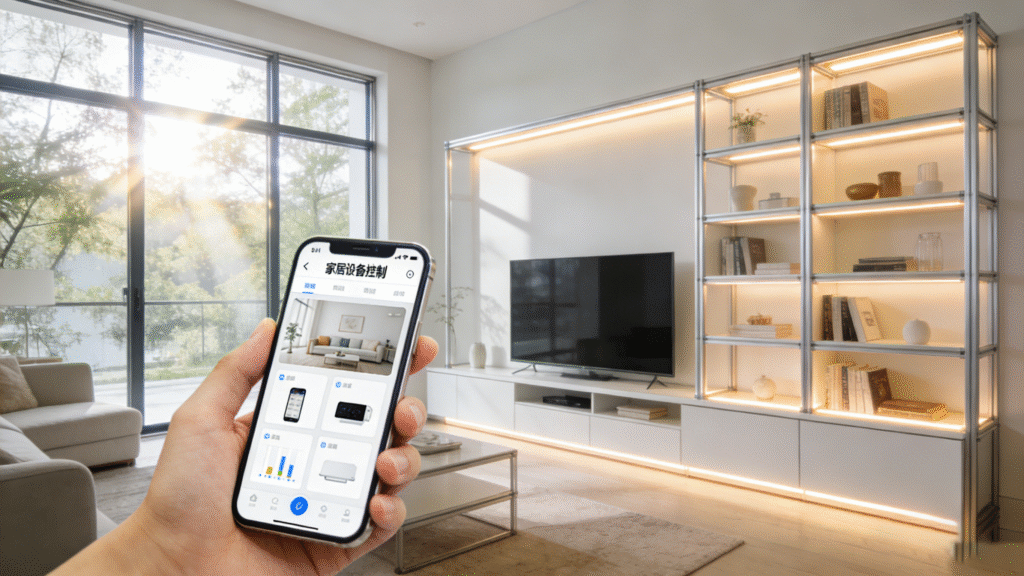
Integrated features simplify systems and speed installation
-
Consistent quality supports repeat orders and global supply
-
Lower total cost over the product lifecycle
-
Scalable solutions enable upgrades without redesign
Custom aluminum profiles are best suited for projects where performance, appearance, or efficiency directly affects product success.
Buyer Checklist: Are You Ready for Custom Aluminum Profiles?
You’re a good candidate for aluminum profile customization if you answer “yes” to most of the following:
-
Do standard profiles require frequent modification?
-
Is installation time affecting your total project cost?
-
Does product appearance impact customer perception?
-
Are you planning repeat or long-term production?
-
Do you need stable specifications across markets?
If so, customized aluminum extrusion is likely the more effective solution.
Common Mistakes to Avoid
To ensure a successful customization project, avoid these common issues:
-
Finalizing appearance before confirming structural feasibility
-
Underestimating tolerance and surface finish requirements
-
Treating the project as one-time instead of long-term
-
Choosing suppliers without in-house engineering support
-
Focusing only on unit price instead of total lifecycle cost
Early technical alignment prevents costly revisions later.
Recommended Next Actions
To move forward efficiently:
-
Prepare a basic application description or sketch
-
Define functional and installation requirements
-
Estimate realistic order volumes
-
Identify target markets and standards
-
Engage a manufacturer for early engineering feedback
This approach shortens development time and improves outcomes.
Final Takeaway
Aluminum profile customization is not about complexity—it’s about clarity. When profiles are designed around real use cases, the result is cleaner engineering, stronger products, and more predictable manufacturing.
For companies building systems—not just parts—custom aluminum profiles provide a reliable, scalable foundation.