



# Aluminum Profiles for LED Lighting: Why Aluminum Is the Best Material for Modern Lighting Systems
The LED lighting industry has experienced remarkable growth over the past decade, driven by increasing demand for energy-efficient, long-lasting, and aesthetically pleasing lighting solutions. As LED technology advances, **aluminum profiles for LED lighting** have become an essential component in residential, commercial, and industrial lighting systems.
More than just a housing for LED strips, aluminum profiles improve heat dissipation, protect lighting components, enhance installation flexibility, and create a clean, professional appearance. Whether you’re designing architectural lighting, retail displays, office spaces, or smart home systems, choosing the right aluminum profile can significantly improve both performance and longevity.
This guide explains why aluminum is the preferred material for LED lighting profiles, explores common applications, and highlights the factors to consider when selecting a reliable manufacturer.
—
## What Are Aluminum LED Profiles?
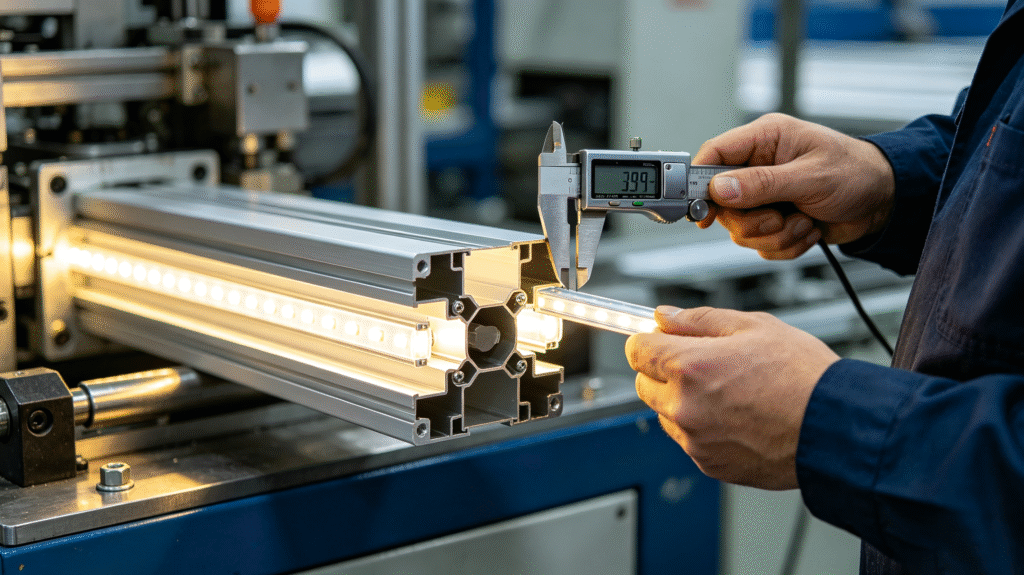
Aluminum LED profiles, also known as LED channels or LED extrusions, are specially designed aluminum housings that accommodate LED strip lights.
Most LED profile systems consist of:
* An extruded aluminum housing
* A diffuser cover
* End caps
* Mounting clips or brackets
Together, these components create a complete lighting solution that protects LEDs while improving both performance and aesthetics.
—
## Why Aluminum Is the Ideal Material for LED Profiles
### Excellent Heat Dissipation
Heat is one of the biggest factors affecting LED lifespan.
Although LED lights generate less heat than traditional lighting, excessive operating temperatures can still reduce brightness and shorten service life.
Aluminum offers excellent thermal conductivity, allowing heat to transfer away from the LED strip efficiently.
Benefits include:
* Lower operating temperatures
* Longer LED lifespan
* More stable brightness
* Improved energy efficiency
For high-output lighting systems, effective heat management is essential.
—
### Lightweight Yet Durable
Aluminum combines strength with low weight.
Compared to heavier materials, aluminum profiles are:
* Easy to transport
* Simple to install
* Resistant to deformation
* Suitable for large lighting installations
This makes them ideal for both residential and commercial projects.
—
### Corrosion Resistance
Many LED lighting systems are installed in environments exposed to:
* Moisture
* Humidity
* Temperature fluctuations
* Outdoor weather conditions
Naturally corrosion-resistant aluminum provides long-term durability with minimal maintenance.
—
### Modern Appearance
Aluminum profiles offer clean lines and a premium finish that complements contemporary interior and architectural design.
They create a seamless appearance while hiding LED strips and wiring for a more refined installation.
—
## Benefits of Using Aluminum LED Profiles
### Better Light Distribution
Most LED profiles use polycarbonate or acrylic diffusers that help:
* Soften light output
* Reduce glare
* Eliminate visible LED dots
* Create continuous linear lighting
The result is smoother and more professional illumination.
—
### Protection for LED Strips
LED strips can be damaged by:
* Dust
* Moisture
* Physical impact
* Accidental contact
Aluminum channels provide a protective enclosure that extends the life of the lighting system.
—
### Easier Installation
Many aluminum LED profiles feature built-in mounting systems that simplify installation on:
* Walls
* Ceilings
* Cabinets
* Furniture
* Floors
Maintenance and future upgrades also become easier.
—
## Common Types of LED Aluminum Profiles
### Surface-Mounted Profiles
The most popular option for residential and commercial lighting.
Applications include:
* Kitchen cabinets
* Shelving
* Display cases
* Office lighting
—
### Recessed LED Profiles
Installed flush with surrounding surfaces for a minimalist appearance.
Common applications:
* Drywall ceilings
* Furniture
* Staircases
* Wall panels
—
### Corner LED Profiles
Designed for 90-degree installations.
Ideal for:
* Under-cabinet lighting
* Corner shelves
* Display cabinets
—
### Suspended LED Profiles
Used in modern commercial and office environments.
Common applications:
* Conference rooms
* Retail stores
* Reception areas
* Educational facilities
—
### Flexible LED Profiles
Specially designed for curved surfaces and creative architectural lighting projects.
—
## Applications of Aluminum LED Profiles
### Residential Lighting
Popular uses include:
* Kitchen lighting
* Closet lighting
* Living room accents
* Stair lighting
* Bedroom illumination
Modern homeowners appreciate the clean appearance and improved lighting quality.
—
### Commercial Buildings
Businesses use aluminum LED profiles in:
* Offices
* Shopping malls
* Hotels
* Restaurants
* Retail displays
Linear lighting enhances both aesthetics and energy efficiency.
—
### Architectural Lighting
Architects integrate LED profiles into:
* Facades
* Ceilings
* Feature walls
* Handrails
* Exterior landscapes
Custom aluminum extrusions allow unique lighting designs.
—
### Industrial Facilities
Factories and warehouses use aluminum LED profiles for:
* Task lighting
* Machine lighting
* Safety illumination
* Production areas
Their durability makes them suitable for demanding environments.
—
## Surface Finishes for LED Aluminum Profiles
Manufacturers offer several finishing options.
### Anodized Finish
Provides:
* Excellent corrosion resistance
* Premium metallic appearance
* Scratch resistance
This is the most common finish for LED profiles.
—
### Powder Coating
Ideal when custom colors are required.
Benefits include:
* Decorative flexibility
* Additional environmental protection
* Better integration with interior design
—
### Brushed Finish
Offers a sophisticated appearance often used in luxury interiors and commercial projects.
—
## Factors to Consider When Choosing LED Aluminum Profiles
### Heat Dissipation Requirements
Higher-power LED strips require larger aluminum profiles for improved thermal management.
—
### Installation Method
Select profiles designed for:
* Surface mounting
* Recessed installation
* Corner applications
* Suspension systems
The installation environment should guide profile selection.
—
### Diffuser Type
Common diffuser options include:
* Clear
* Frosted
* Opal
* Black
Each produces a different lighting effect.
—
### Profile Dimensions
Choose a profile that matches the width, height, and power requirements of your LED strip.
Proper sizing ensures optimal heat dissipation and installation efficiency.
—
## Why Choose a Custom Aluminum Extrusion Manufacturer?
For OEM lighting brands and architectural projects, custom aluminum extrusion offers significant advantages.
Benefits include:
* Unique profile designs
* Integrated mounting features
* Customized dimensions
* Brand differentiation
* Improved manufacturing efficiency
Working with an experienced manufacturer also ensures consistent quality and reliable production.
—
## Future Trends in Aluminum LED Profiles
As lighting technology evolves, aluminum LED profiles continue to advance.
Emerging trends include:
* Smart lighting integration
* Human-centric lighting systems
* Ultra-slim profile designs
* Hidden linear lighting
* Sustainable aluminum manufacturing
* Modular lighting systems
These innovations are driving the next generation of architectural and commercial lighting solutions.
—
## Conclusion
Aluminum LED profiles have become an essential part of modern lighting design. Their excellent heat dissipation, lightweight construction, corrosion resistance, and elegant appearance make them the ideal solution for residential, commercial, industrial, and architectural applications.
Whether you’re developing a custom lighting product or specifying materials for a large-scale project, selecting high-quality aluminum LED profiles from an experienced manufacturer can improve product performance, extend LED lifespan, and create visually striking lighting installations.
—